
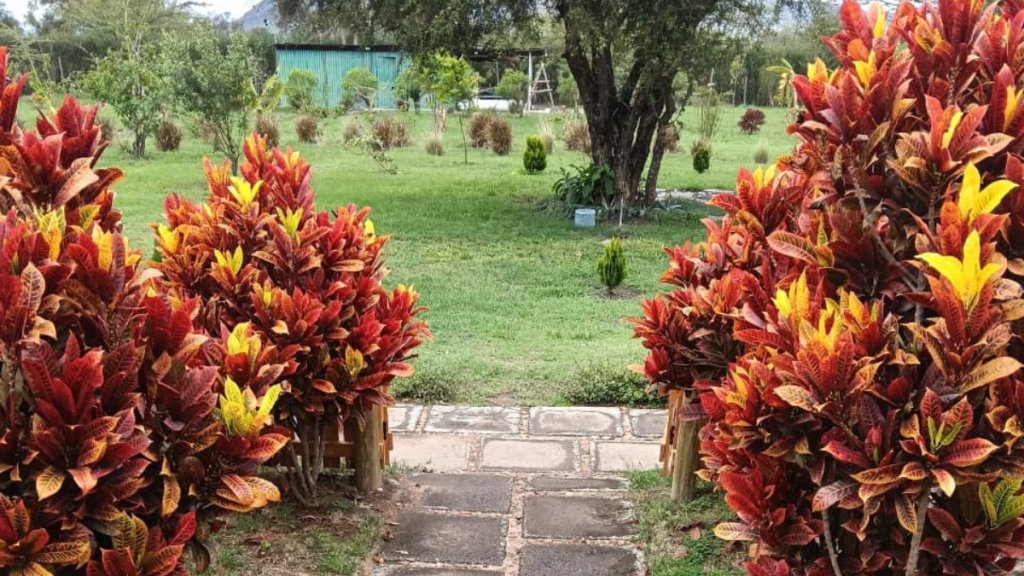
Nature is fascinating!
I had the privilege of spending four days last week at a hotel in Nairobi, attending training on Leading and Managing change – the stuff that gets me excited and fully engaged!
This hotel has a tree in what I would call a courtyard, but the tree is not real. It’s made of some synthetic stuff, but it looks very convincing as a tree. It has branches and twigs and leaves and a sizable trunk. As I was sitting under this tree, a bird flew into the branches and proceeded to poke around in the leaves until it tore off a strip from a leaf, which I assumed was going to be used as nest-building material. The bird looked mighty pleased with itself, so I can only assume this was high-quality building material. I sat there wondering to myself – is this what man has done to nature? Now the birds build nests from synthetic leaves and seem happy about it. As I thought this, another thought entered my mind – much as we worry about the impact of man on nature, let us not forget that what we call nature has been around way longer than man, which speaks to nature’s knack for adaptation! Ours is yet to be fully tested!

Prior to the hotel stint, I had spent four weeks watching the birds at my place furiously build nests and fight over blades of grass and leaves to build nests with. When birds begin this frenzy of construction, you know the rains are on the way. The birds are smart and will typically not hatch their young in times of scarcity – aka dry season – when there are no bugs to feed their babies on. They wait, and when the rainy season is close by, they get into a frenzy of construction in readiness for laying eggs and hatching their young. I know this, but I doubted the birds. I watched them build and wondered what they knew that I did not because it was sweltering hot, dry, dusty and not a cloud in the sky. We even had a bush fire that confirmed to me how dry it was!
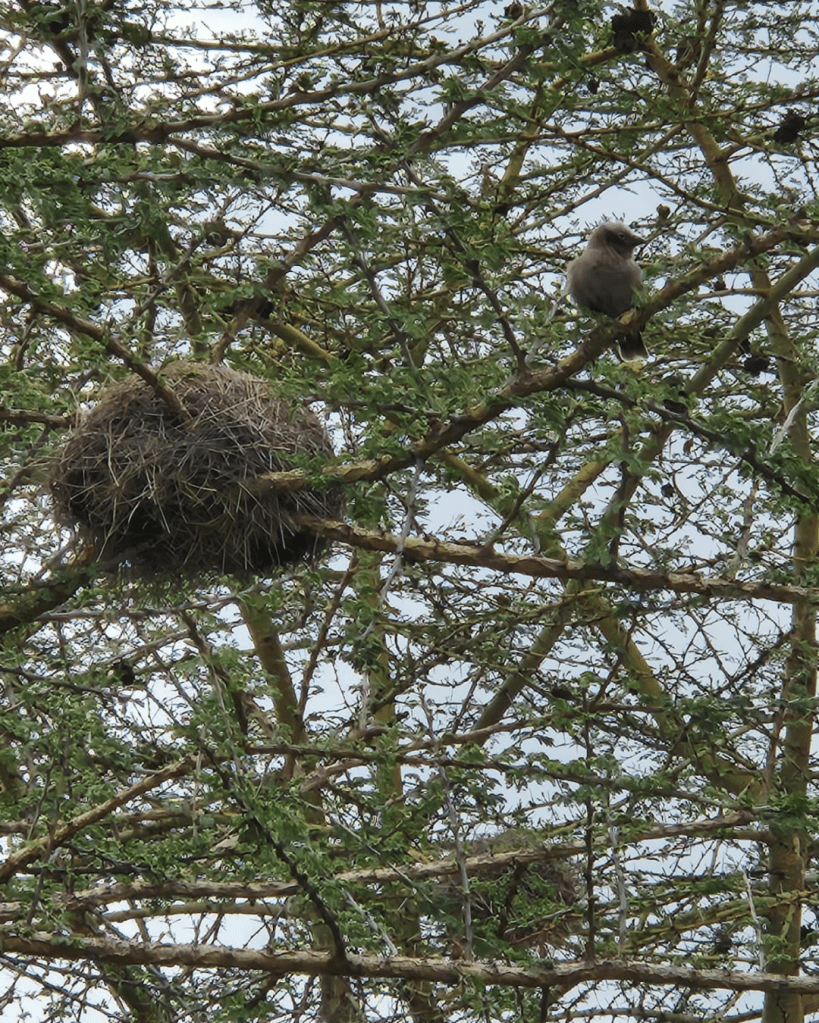
One of the birds that got my attention was the weaverbird. This is a master architect! The male weaves multiple nests in the hope of attracting a pretty young lady. If the said lady approves of the skill of weaving, she will feather the nest in a show of approval. If not, the gentleman tends to undo the nest and start over. In my village, they love to tell the tale differently. They say the female will rip the nest to shreds if she thinks it’s of poor quality. Believe what you will, weaver birds are master architects!
As the rains approached, we had nests on old trees and we had nests on trees that had been saplings the previous season but were now ready to host nests. Still, I did not believe the birds. My banana plants had dried, my trees were dying, and the grass had turned a shade of brown that could only be considered beautiful in a painting. The land looked dry, parched, tired and thirsty! It was a miserable sight to behold.

Then the rains came. The first rains were gentle, almost a drizzle that belied the intensity that was to follow. This first rain did a lot to dampen the dust and give the birds motivation for even more frenzied construction. A couple of days later, it poured. Torrential downpour that makes me sit on the patio sipping herbal tea and muttering under my breath – “we needed this”!
Over time, I have learnt to identify the intensity of rain on my land based purely on where the rain approaches from. The torrential downpours that followed approached my land from the East, instead of the usual Northerly approach. Any time the rain approaches my land from the East, it is always heavy. A Northerly approach gives us sub-optimal rainfall. This time, we were getting rain from the East. I was dancing with joy!
By the time I went for the much-appreciated training, everything on my land had turned a shade of green so beautiful it defied description. The trees were alive again – I lost a few lemon trees, though. The birds were quiet, and now you could hear the chirping of the first chicks to hatch. The birds had been right all along – the rains were here, and according to the meteorological department, they were here to stay! As we speak, we have received 145mm of rain in the month of February only. For context, in 2024, we got 7mm in February, and last year, we got 0mm. I encourage you to get a rain gauge if you don’t already have one, and be a rainfall geek with me!

This morning, my groundskeepers told me I needed to walk the land and see the spots where the water is sitting and doing damage to our trees. I am always up for aimless meandering on my land. They were right, we needed to cut water channels in some parts of the land to drain the water away. In the process of assessing where to place the water drainage channels, I got stuck in the mud. Literally! I stepped on a spot, and I sank into the soft mud! After some heave-ho, my groundskeepers managed to pull me out! What a morning!
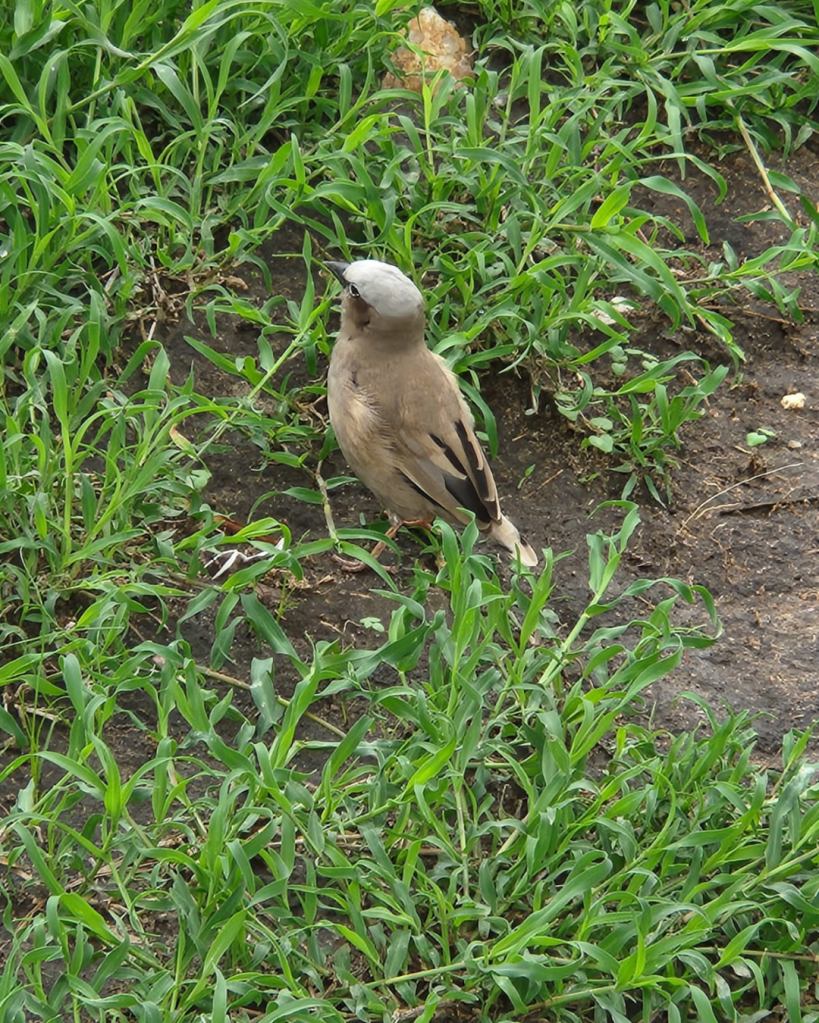
As I sit here listening to the quiet chirping of the “baby” birds, I wonder – what are the nature signals on your land that tell you the seasons are about to change?
 The Manicured Farmer
Leave a comment